
Responsible gambling is easier to manage when practical controls are available before play becomes difficult to regulate. The lucky hills online casino information describes account settings for deposit and loss limits, along with self-exclusion and closure options. These tools are not a guarantee against harm, and they do not replace personal judgement, but they can create useful boundaries. Canadian adults should also consider how limits fit their budget, emotional state and patterns of play, particularly when casino, live-dealer, sports and esports sections are available through one account.

Which account controls can create a firmer boundary?
The most direct controls listed are daily, weekly and monthly limits on deposits and losses. A deposit limit restricts how much money can be added during a selected period, while a loss limit focuses on the amount that may be lost. These controls address different risks: one limits available funds, and the other targets the financial result of play.

Choose a limit based on money that remains genuinely discretionary after rent, food, utilities, debt payments, savings and other essentials. A limit should not be treated as a target to reach. For example, selecting a monthly ceiling does not mean that spending up to that amount is affordable. A smaller boundary may be more useful if gambling is occasional or if income varies.
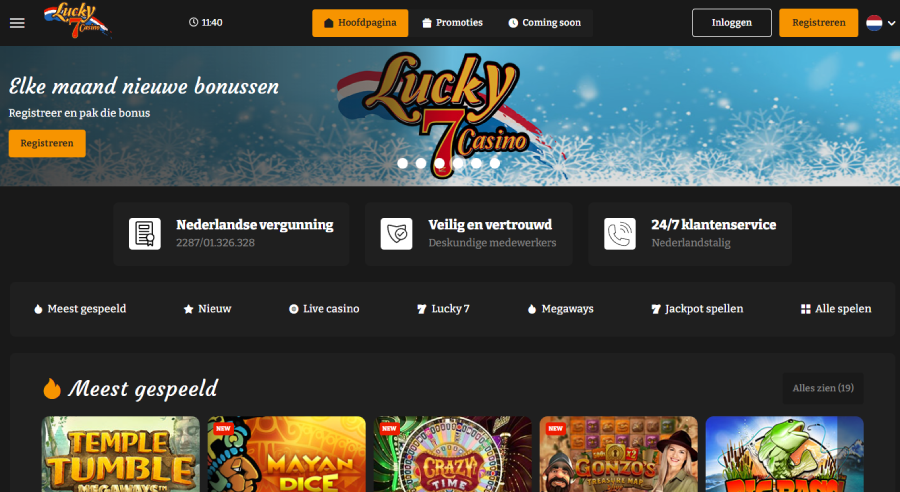
Before confirming a setting, check how the account defines the period, when a new limit takes effect and whether a reduction is immediate. Terms may differ between operators, so read the displayed instructions carefully. Keep a private record of the chosen figures and review bank statements separately; an account control is most useful when it forms part of a wider household budget.
How should you set limits before playing?
Start with a short written plan rather than deciding while viewing a lobby or live table. Record the maximum amount for the day, week or month, the maximum time you intend to spend and the types of gambling you will avoid. If sports betting and casino activity share one account, include both when calculating the overall amount you can afford.
Set the limit before making a deposit, and avoid raising it to recover an earlier loss. A loss is a cost of the activity, not a debt that the next game must repay. If a limit feels restrictive, that may be useful information about the role gambling is beginning to play. Consider taking a break instead of adjusting the boundary.
It is also sensible to remove easy access to spare funds. Do not use credit intended for bills, borrow from friends or transfer money from savings to continue playing. Keep notifications and promotional messages under review, and sign out after a session. These steps do not prevent every impulsive decision, but they add time between an urge and an action.
What do self-exclusion and account closure change?
Self-exclusion is a stronger intervention than an ordinary spending limit. It is intended for someone who wants to stop access for a period or indefinitely, rather than merely reduce the amount played. The available account information describes self-exclusion and account closure options, with support handling requests according to the applicable terms.
Before requesting either option, check whether you need to resolve an open balance, download transaction records or note details about pending matters. Do not delay a safety decision solely because an administrative issue is unresolved; ask support what happens next. Also ask whether self-exclusion applies to every product connected to the account, including casino, live games, sports and esports.
Closure should not be viewed as a temporary pause if the underlying concern remains. Do not create another account or use someone else’s account after closing one. The supplied rules prohibit duplicate accounts, and using another person’s payment method or credentials creates additional financial and verification risks. If stopping feels difficult, involve someone you trust and seek specialist support.
Why do single-account products require extra care?
A combined account can make it convenient to move between different forms of gambling, but that convenience can make total spending harder to notice. A casino session, a sports wager and a live-dealer game may feel like separate activities while drawing from the same balance. Track the combined amount rather than judging each section in isolation.
Fast-paced and crash-style games may encourage repeated decisions with little time to pause. Live tables and sports markets can also extend a session because events or rounds appear continuously. Consider using a timer, taking planned breaks and stopping when the planned session ends. Never treat speed, entertainment value or a short winning run as evidence that future results are predictable.
Promotions can complicate boundaries because bonus balances may have activation periods, wagering requirements or withdrawal conditions. A bonus is not free cash, and pursuing its conditions can encourage extra play. Read the specific offer terms before accepting it, and decline or cancel a promotion if its requirements conflict with your limit. Check the account’s bonus status before assuming money is available to withdraw.
Where can Canadian players seek support?
Account controls work best when they are combined with outside support. Warning signs can include hiding gambling, chasing losses, missing work or family commitments, borrowing money, feeling restless when not playing, or repeatedly increasing stakes. One sign does not define a person, but several signs deserve prompt attention rather than a promise to simply play more carefully.
Support can help with practical account matters such as limits, self-exclusion, closure, password access and transaction records. Use the operator’s stated chat or email channels for those requests, and keep copies of confirmations. Do not disclose passwords, one-time codes or payment credentials to anyone claiming to help. For independent information about safer gambling and support in Canada, consult the Responsible Gambling Council’s public resources.
If gambling is causing financial, relationship or mental-health harm, contact a qualified local service, health professional or crisis resource. A trusted friend or family member can help create distance from accounts and money. If there is immediate danger, contact emergency services. The aim of a limit or exclusion is not to prove willpower; it is to make a safer decision easier to maintain.
Questions about gambling controls
Can a loss limit replace a gambling budget?
No. A loss limit is one account safeguard, while a budget considers household income, essential expenses, debts and savings. Set gambling money only from genuinely disposable funds, and treat the limit as a maximum rather than an amount to spend. Review your wider finances independently from the account.
Should I choose self-exclusion if I keep raising limits?
Repeatedly increasing limits is a reason to consider a stronger break rather than another adjustment. Self-exclusion or account closure may create useful distance, especially when gambling affects finances, sleep or relationships. Contact support to understand the process, and seek independent help if stopping feels difficult.
Do responsible gambling tools guarantee safe play?
No. Limits and exclusion settings reduce access or spending opportunities, but they cannot remove every risk. They may also operate under specific timing and account terms. Combine them with a personal budget, time boundaries, honest tracking and support from trusted people or qualified services when needed.